


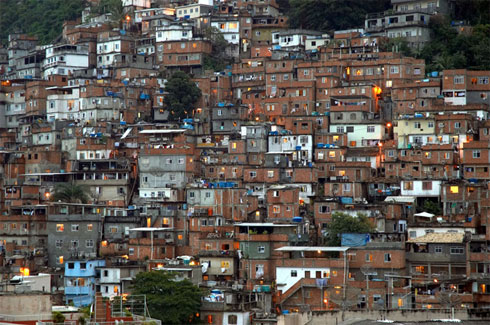
O Morro (The Hill) is a monthly film series that raises questions regarding representation of the favela in Brazilian film and architecture. Cinema's fascination with the favela is often driven by genuine social concern for its inhabitants, but does it ultimately reinforce existing forms of exploitation and prejudice?
Screening 1: 23 October 2007, 19:30 at Anthology Film Archives
"Cinco Vezes Favela" (Favela Five Times, 1961)
Directors: Joaquim Pedro de Andrade, Leon Hirszman, Miguel Borges, Carlos Diegues e Marcos Farias
Its five episodes, directed by many of the strongest figures in Brazilian cinema, were produced by the Centers for Popular Culture of the National Students' Union, who's mission was to create links with and within the working class.
Screening 2: November 2007, date TBA
"Noticias de Uma Guerra Particular" (News from a Personal War, 1999)
Directors: Joao Salles and Katia Lund (USA)
Hailed widely as the inspiration for City of Gods, this critical investigation into the violence and corruption that drives and is driven by the combined and uneven development in Rio's favelas is both shocking and revelatory.
"Cidade Dos Komens" (City of Men)
Video, 3 episodes:
# 1 - A Coroa do Imperador (The Emperor's Crown) (15/10/02)
Screenplay: Cesar Charlone, Fernando Meirelles e Jorge Furtado. Director: Cesar Charlone
# 2 - O Cunhado do Cara (The guy's brother-in-law) (16/10/02)
Script: Katia Lund and Paulo Lins. Director: Katia Lund and Paulo Lins
# 3 - Correio (Mail) (17/10/02)
Roteiro: Kátia Lund e Paulo Lins. Director: Kátia Lund e Paulo Lins
After the commercial success of City of Gods, City of Men was a made for television series shot in the favelas of Rio de Janeiro. Its stories portray everyday struggles in the modern favela, provoking debates and raising questions regarding current concepts and territorial and economic control.
Screening 3: December 2007, date TBA
"Omnibus 174" (Bus 174)
Directors: José Padilha, Felipe Lacerda
The film's subject is the June 12, 2000 bus hijacking that occurred in Rio de Janeiro. Sandro do Nascimento, a young man from a poor background, bungled a robbery and ended up holding the passengers on a bus hostage for four hours. The event was caught live on television. The movie examines the incident and what life is like in the slums and favelas of Rio de Janeiro, specifically how the criminal justice system in Brazil treats the lower classes.